One of the last stops on our Egyptian cruise with Viking River Cruises was the temple of Kom Ombo, and it turned out to be one of the most unforgettable. Perched right on the Nile’s edge, this temple is unlike any other in Egypt—a double sanctuary, split between Horus the falcon and Sobek, the Crocodile King.

The name Kom Ombo means “Hill of Gold.”
By honoring Sobek with offerings, worshippers believed he would keep the waters safe for fishing, bathing, or crossing. Sobek was linked to the life-giving Nile itself. Appealing to him meant good floods, fertile soil, healthy crops, and plenty of fish — the basics of survival in Egypt. At Kom Ombo, Sobek wasn’t just feared — he was invoked for cures. The temple’s medical carvings suggest that prayers to Sobek could bring physical healing as well as spiritual protection.
At Kom Ombo, they offered food, milk, and incense to keep Sobek, the Crocodile King, on their side

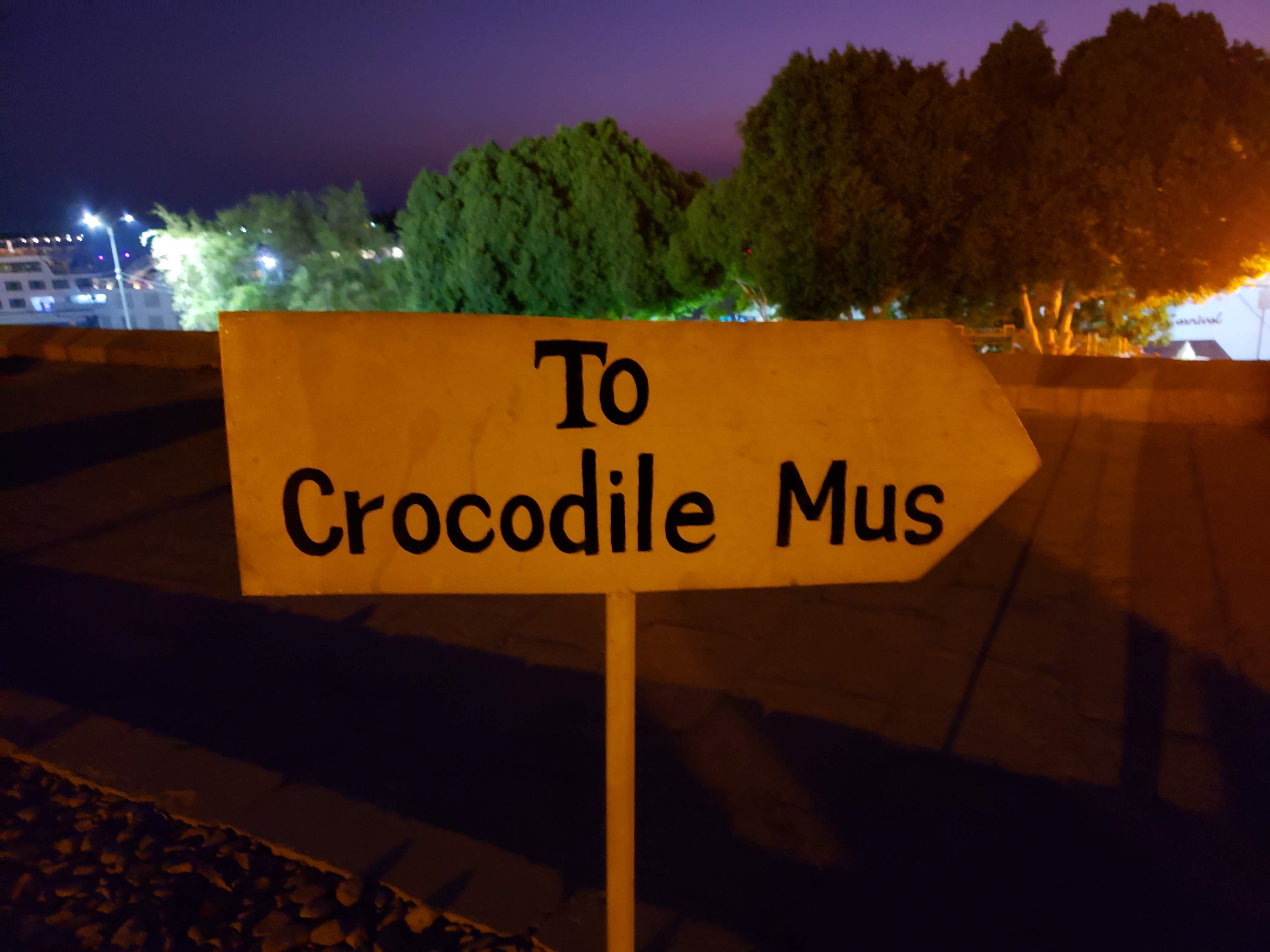
The Crocodile Museum is where rows of real, mummified crocodiles—some with teeth still bared—are displayed
More than 300,000 visitors a year stop at Kom Ombo
Columns with Sobek’s image wearing the solar disk (the big circle above his head), showing his link to the sun and creation
The walls of Kom Ombo show ancient medical tools — scalpels, forceps, and even birthing chairs. The world’s first surgical carvings
Worshippers believed honoring him could bring fertile fields and safe waters

Kom Ombo is perfectly symmetrical, with twin entrances, twin halls, and twin sanctuaries
They were offerings to Sobek, meant to keep the living Nile crocodiles at bay
The bodies were wrapped in linen, sometimes stuffed with resin or natron (salt) to dry them, and laid to rest in catacombs

Kom Ombo was as much a center of healing as it was of worship

Thank you, Egypt!
By honoring Sobek with offerings, worshippers believed he would keep the waters safe for fishing, bathing, or crossing


Leave a Reply