
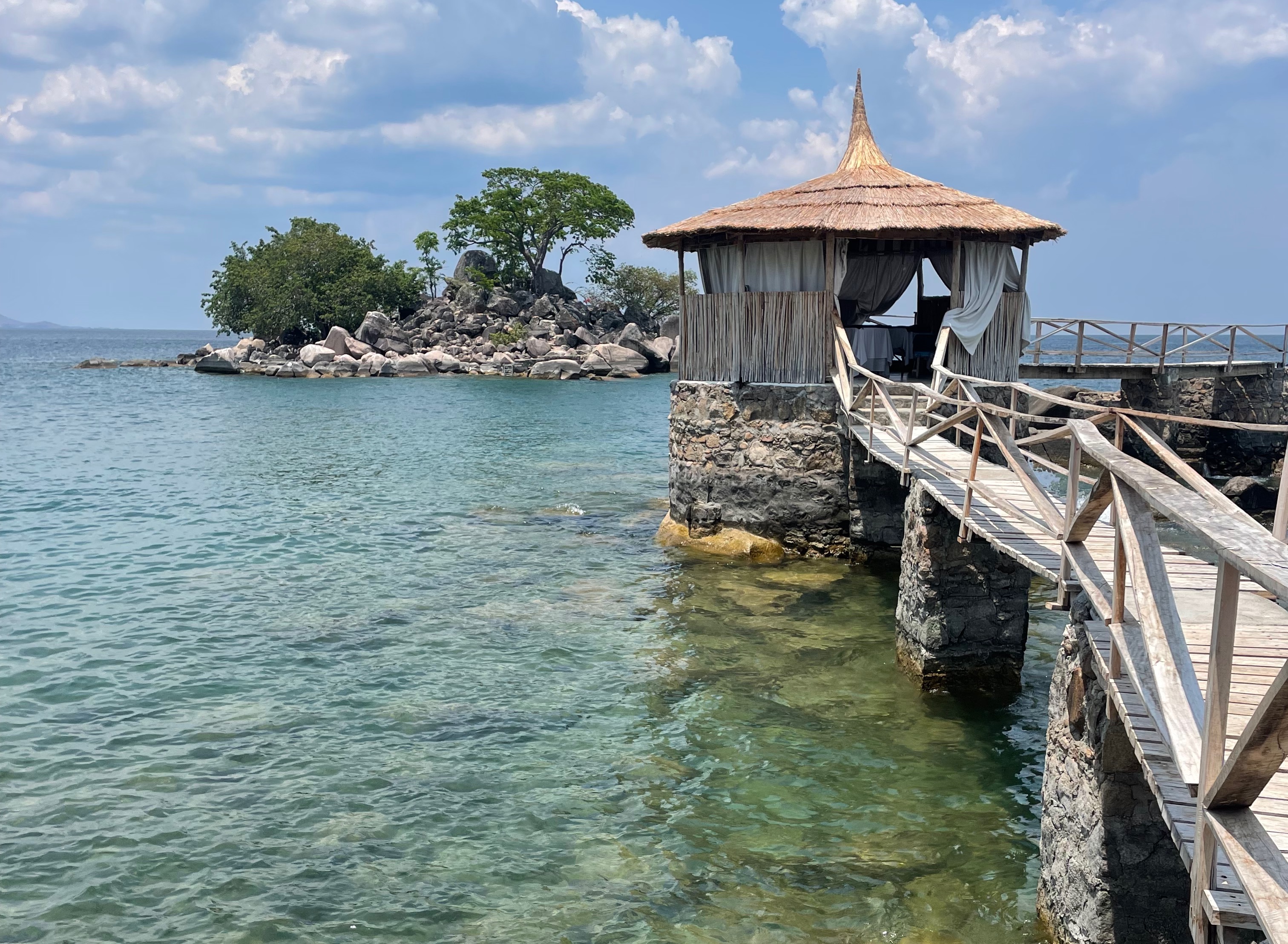
I had the pleasure of spending a week in this underrated gem — Malawi, the warm heart of Africa. Nicknamed Africa’s best-kept secret, it welcomes about 50,000 visitors a year. I stayed at Kaya Mawa, an eco-friendly resort perched on the shore of Lake Malawi, often called the Lake of Stars. Kaya Mawa has been featured on Condé Nast’s “Hot List,” named one of the Top 10 Most Romantic Resorts in the World, and consistently wins praise for eco-tourism and community impact. Take a moment to see the outreach projects we’re bringing to life here, including: sponsoring a local soccer team, anti-poaching efforts + upgrades to Nkhwazi Secondary School. Read about them here. This is how my week unfolded…
It started with a tiny propeller plane!
PS. Get fresh posts delivered to your inbox every week:
Malawi and much of rural Africa, tiny propeller planes aren’t a luxury — they’re a lifeline

Malawi’s airstrips are so small that these little planes land right on dirt runways or grassy clearings

Likoma Island, where my hotel was, is Malawian territory even though it lies within Mozambican waters
Many remote islands and villages can only be reached with small planes

Lake Malawi is Africa’s third-largest lake and has more freshwater fish species than anywhere else on Earth
Malawi’s first resort powered entirely by renewable energy—its electricity comes from solar and wind sources, with hot water heated using Rhodesian boilers for extra eco-charm

In many African traditions, the baobab tree is said to have been planted upside down by the gods. Its thick branches look like roots
- Arrival – I flew in on a tiny propeller plane and landed on Likoma Island. It felt like stepping into a hidden world.
- Check-In – My room overlooked Lake Malawi. Overhead, African fish eagles cried all day long, like guardians of the lake.

Welcome Office
The resort is Malawi’s first off-grid, renewable-energy resort


Kaya Mawa means “Maybe Tomorrow” in Nyanja
Kaya Mawa is incredibly intimate—space for only 26 guests across 11 individually styled rooms

The water here is crystal clear—one of the best spots for freshwater snorkeling
Almost all staff are hired from the tiny island community—sustainability meets empowerment here

The lake isn’t just for bathing — it’s also used for laundry, fishing, and sometimes even cooking water after boiling
Most of the soft furnishings and décor come from Katundu Workshop (more on that in another post)


Welcome drinks – South African bubbles!
Cheers!


Chitenje (or Kitenge) – The most iconic fabric in Malawi
- Tastes of Malawi – I tried the tangy baobab fruit pulp and washed it down with a cold Kuche Kuche beer—light, crisp, and perfect for island nights.
Kuche Kuche is Malawi’s signature beer
Malawians call baobab fruit “malambe.” It’s a tangy, vitamin-packed superfruit with six times more vitamin C than oranges, double the calcium of milk, and a ton of antioxidants
Mango trees are everywhere in Malawi


The most famous fish from Lake Malawi is “Chambo”, usually grilled or fried whole, served with lemon and vegetables
Thinly sliced cassava root, fried golden and salted


The national staple, a thick maize porridge (like polenta) is eaten with almost every meal
The spa!

- Local Lore – Some locals whisper that the lake keeps ancient secrets—and that its fiery sunsets are the eyes of ancestors watching. Whether true or not, every sunset felt haunted.
Spirits of the lake and forest, said to watch over villages or punish those who break taboos

In African folklore, crows are often seen as messengers between the living and the dead

Around Lake Malawi, people sometimes say that the water holds hidden spirits
In villages and even at resorts like Kaya Mawa, evenings often end with live music


Drums (ngoma) — central to almost every performance, believed to call spirits or connect with ancestors
In Malawi, over 80% of cultural knowledge is still passed down orally through folklore — stories told at night by firelight


In Chichewa lore, large serpents are said to live in the depths, guarding the lake. Some say these snake-spirits appear at dusk
Extra Pics

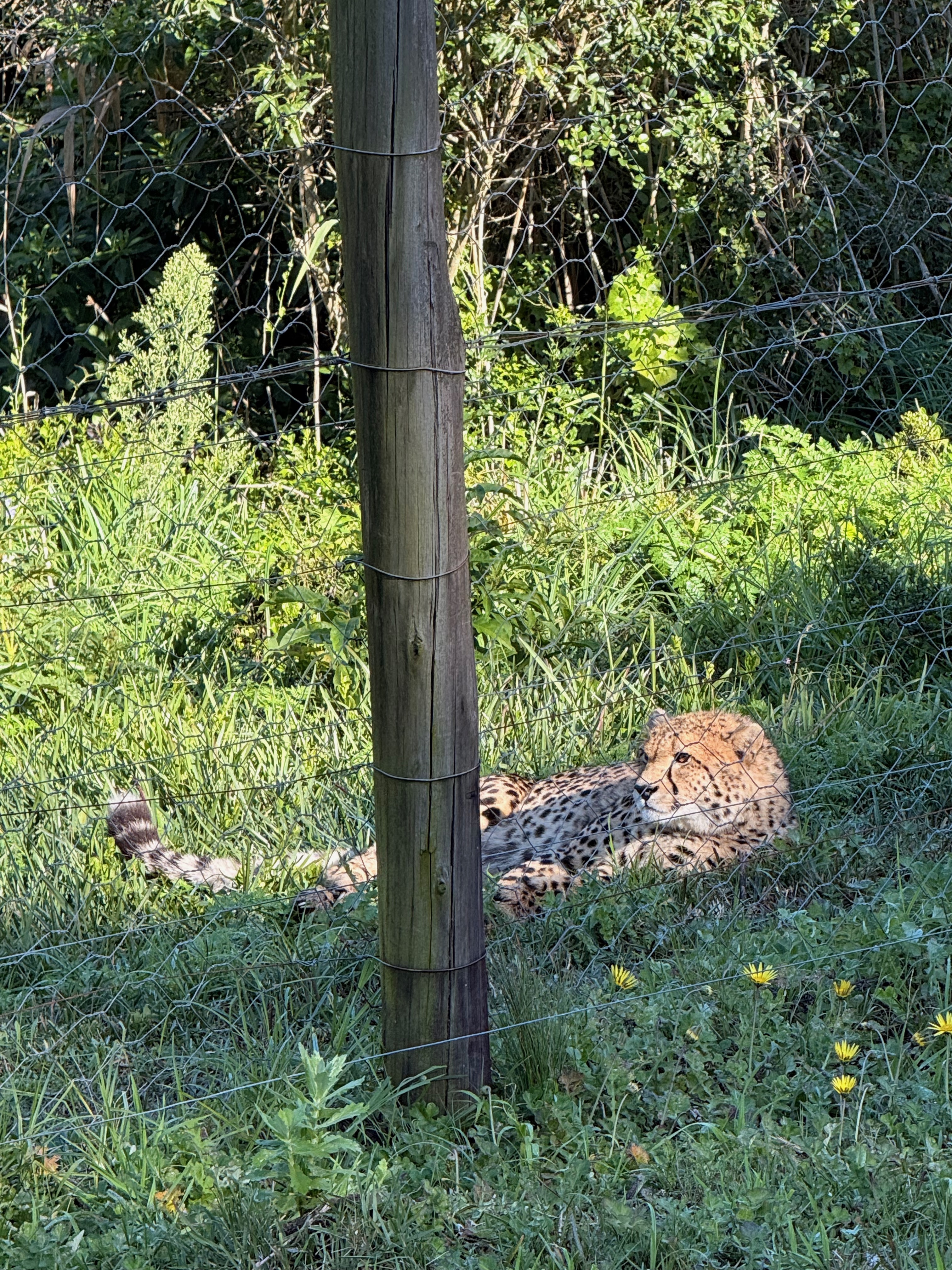
Some Malawian village stories describe cats as protectors against evil spirits
The lodge runs almost entirely on solar power and was hand-built by locals using island stone and wood


Meals are centered on fresh, local ingredients: chambo fish from the lake, tropical fruits like mango and papaya, homemade breads, and of course the ice-cold Kuche Kuche beer
Outside restroom!

Our tiny plane to leave the island

View of Likoma island as we leave


Leave a Reply